Flamenco Guitar Lessons: Chords, Compás, and Techniques
Beginner flamenco guitar lessons covering essential chords, compás rhythms, and right-hand techniques like rasgueado and picado. Start playing today.
flamenco guitar lessons: Beginner flamenco guitar lessons covering essential chords, compás rhythms, and right-hand techniques like rasgueado and picado. Start playing today.
Related reading: Discover our full guide on Ab Key Chords: Complete Guide with Shapes and Progressions.
Flamenco guitar lessons open the door to one of the most expressive styles in music. Unlike classical or pop guitar, flamenco relies on rhythmic intensity, percussive strums, and emotional phrasing. This guide covers the essential chords, the compás (rhythmic cycles), and the core right-hand techniques you need to start playing flamenco guitar today.
Flamenco Guitar Lessons: The Core Elements
Flamenco guitar is built on three pillars: harmony, rhythm, and technique. The harmony uses familiar open chords but often in specific progressions. The rhythm, called compás, is a strict cycle that gives each palo (style) its identity. The technique involves specialized right-hand moves that create the characteristic percussive sound. As a beginner, you can learn these elements step by step without needing a special flamenco guitar. A standard classical or nylon-string guitar works perfectly.
Before diving into techniques, it helps to understand the musical foundation. Flamenco is modal and often uses the Phrygian mode, which gives it a dark, Moorish flavor. The most common progression is the Andalusian cadence: Am–G–F–E. This simple sequence appears in countless flamenco pieces and is your first goal to master.
Essential Flamenco Chord Shapes and Progressions
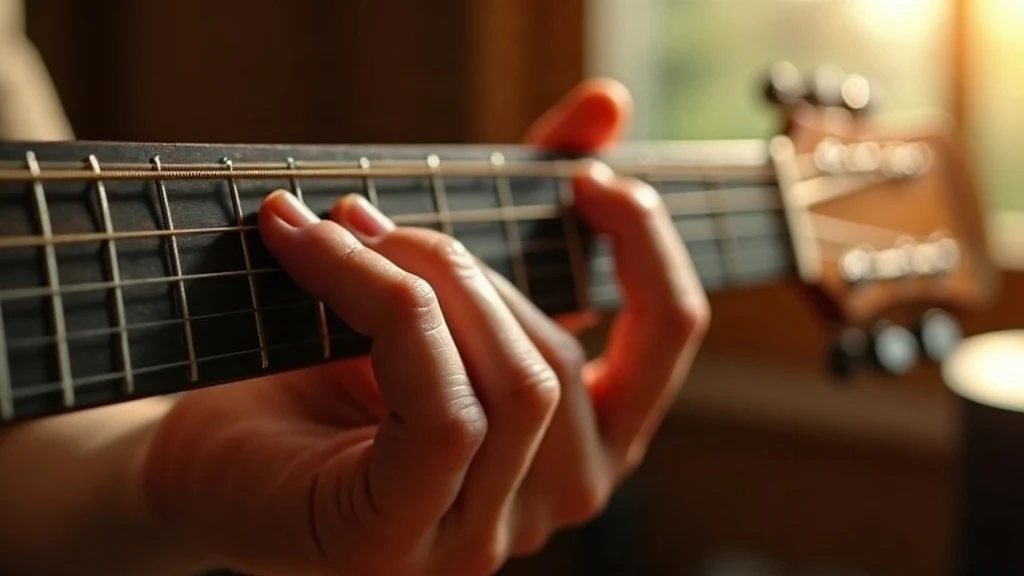
You already know most of the chords you need. Flamenco uses standard open chords, but the way they are voiced and connected matters. The essential shapes are A minor, G major, F major, E major, and D minor. These are the same shapes you use in pop or rock, but flamenco players often add embellishments like hammer-ons or slides.
| Chord | Shape | Notes |
|---|---|---|
| Am | x02210 | A C E |
| G | 320003 | G B D |
| F | 133211 | F A C |
| E | 022100 | E G# B |
| Dm | xx0231 | D F A |
Practice moving between Am and G, then G to F, and F to E. This is the Andalusian cadence. Use a metronome at a slow tempo, like 60 beats per minute, and change chords on each beat. Once comfortable, speed up gradually. For more chord ideas, check out our A minor key guitar chords guide and the all chords in the key of G reference.
Flamenco also uses the E major chord with a flatted ninth (E7b9) for tension, but that can come later. Focus on the basic shapes first. The key is to keep your left hand relaxed and your thumb behind the neck, not over the top.
Understanding Compás: Rhythmic Cycles in Tangos and Soleá
Compás is the rhythmic heartbeat of flamenco. Each palo has its own compás, and you must feel it internally. Two foundational palos are tangos and soleá. Tangos is a 4-beat cycle with accents on beats 1 and 3. It is lively and easy to grasp. Soleá is a 12-beat cycle with a more complex accent pattern, often counted as 12 1 2 3 4 5 6 7 8 9 10 11, with accents on 3, 6, 8, 10, and 12.
| Palo | Beats | Accents |
|---|---|---|
| Tangos | 4 | 1, 3 |
| Soleá | 12 | 3, 6, 8, 10, 12 |
To practice compás, clap the accents while counting aloud. For tangos, clap on 1 and 3. For soleá, clap on the accented beats. Start slowly and internalize the feel. Then try strumming a simple chord progression while keeping the compás. This is the most important skill for playing with others.
Core Right-Hand Techniques: Rasgueado, Picado, Golpe, Alzapúa
The right hand is where flamenco gets its fire. Four techniques form the foundation: rasgueado, picado, golpe, and alzapúa. Each requires slow, deliberate practice.
- Rasgueado – A rolling strum using the fingers (usually index, middle, ring, and sometimes pinky) in quick succession. Start by practicing a single downward stroke with each finger, then combine them into a fast roll. Keep your wrist loose.
- Picado – Single-note picking using alternating index and middle fingers. This is used for melodies and scales. Practice on a single string, then move to scale patterns. Use rest strokes (land on the next string) for a stronger tone.
- Golpe – A percussive tap on the guitar body, usually with the middle finger or ring finger, while the hand is in playing position. It adds a drum-like accent. Practice tapping gently on the soundboard above the strings.
- Alzapúa – A thumb technique that combines a downward stroke, an upward stroke, and a rest stroke. It creates a driving, rhythmic sound. Start with a simple down-up pattern on one string, then add chords.
These techniques take time. Dedicate 10 minutes a day to each one. Use a metronome and start at a very slow tempo. For example, practice rasgueado at 40 beats per minute, then increase by 5 BPM each day. If you enjoy rhythmic styles, you might also like our bossa nova guitar lessons, which share similar percussive elements.
Slow Practice Tips for Beginners
Flamenco is demanding, but slow practice is the secret. Here are practical tips to build a solid foundation:
- Use a metronome – Always practice with a click. Start at half the target tempo and only increase when you can play cleanly.
- Isolate techniques – Work on rasgueado separately from chord changes. Combine them only after each feels comfortable.
- Record yourself – Listen for uneven rhythm or buzzing strings. Adjust your hand position.
- Take breaks – Your hands need rest. Practice in 20-minute sessions with breaks in between.
- Learn by ear – Listen to flamenco music and try to copy the accents. This trains your musical ear.
Remember, flamenco is about emotion, not speed. A slow, clean rasgueado sounds better than a fast, sloppy one. Patience is your best teacher.
Easy Flamenco Songs to Start With
Once you have the basics, try a simple tangos progression. Use the chords Am, G, F, and E, and strum in a 4-beat pattern with accents on 1 and 3. Add a golpe on the offbeat for flavor. This is a common rumba pattern that many beginners learn.
Another accessible piece is a simple soleá falseta (melodic phrase). Start with a few notes in the A minor scale, played with picado. Keep it short and repeat it slowly. As you improve, you can expand into longer falsetas.
For more song ideas and chord progressions, explore our guitar chords category or start from the Chords Guide Hub homepage.
Frequently Asked Questions
Do I need a special flamenco guitar?
No. A standard classical guitar with nylon strings works well for beginners. Flamenco guitars have a different setup (lower action, different wood), but you can start with what you have.
How long does it take to learn flamenco guitar?
You can learn basic chords and rasgueado in a few weeks. Mastering techniques like alzapúa takes months. Consistent daily practice is more important than talent.
What is the hardest part of flamenco guitar?
Most beginners struggle with the right-hand techniques and keeping the compás. Both require coordination and rhythmic precision. Slow practice and a metronome are essential.
Can I learn flamenco guitar online?
Yes. Many online courses and video tutorials are available. This guide gives you the foundation, but you may want to supplement with video demonstrations for techniques.
Next story
Ab Key Chords: Complete Guide with Shapes and Progressions
Learn all Ab key chords: the seven diatonic chords in A-flat major, common progressions, barre shapes, and capo tricks. Updated 2026.