Bossa Nova Guitar Lessons: Chords, Rhythm, and Easy Songs
Learn bossa nova guitar lessons for beginners: essential jazz chords, the ii-V-I progression, syncopated rhythm pattern, and an easy song to practice. Updated 2026.
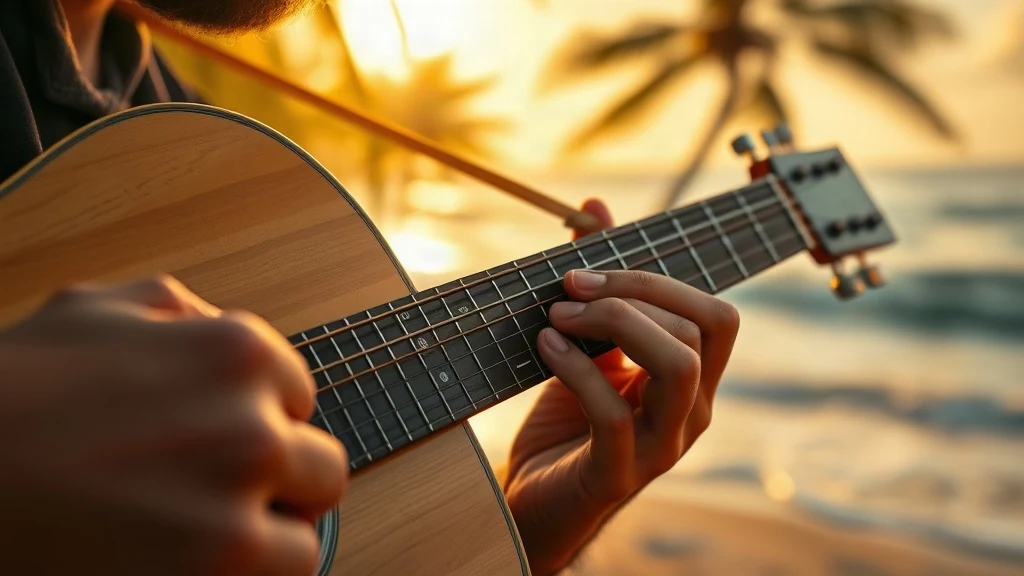
bossa nova guitar lessons: Learn bossa nova guitar lessons for beginners: essential jazz chords, the ii-V-I progression, syncopated rhythm pattern, and an easy song to practice. Updated 2026.
Related reading: Discover our full guide on Ab Key Chords: Complete Guide with Shapes and Progressions.
Related reading: Discover our full guide on Flamenco Guitar Lessons: Chords, Compás, and Techniques.
Bossa nova guitar lessons teach you a smooth Brazilian style built on jazz chords and a syncopated rhythm. In this guide, you will learn the essential chords, the classic ii-V-I progression, the signature thumb-and-fingers pattern, and one easy song to practice. Whether you are a beginner or an intermediate player, this lesson plan will get you playing bossa nova on guitar today.
Bossa nova emerged in Brazil in the late 1950s, blending samba rhythms with jazz harmony. The genre is known for its gentle, swaying feel and its reliance on the guitar as both a rhythmic and harmonic instrument. According to a 2020 Fender report, 16 million people started playing guitar for the first time, and many of them are drawn to styles like bossa nova for its beautiful chord voicings and relaxed groove.
| Stat | Number | Year | Source |
|---|---|---|---|
| New guitar players in the US | 16 million | 2020 | Fender |
| Recordings of "The Girl from Ipanema" | Over 500 | 2024 | Wikipedia |
Bossa Nova Guitar Lessons: What You Will Learn
This lesson covers the core elements of bossa nova guitar: the chord shapes, the rhythm pattern, and the progressions that define the style. You will also get a simple song to practice so you can apply everything immediately. By the end, you will understand how to play the signature bossa nova groove with confidence.
What Is Bossa Nova Guitar?
Bossa nova guitar is a style of playing that combines jazz chords with a distinctive syncopated rhythm. The guitar often plays both the harmony and the percussion, using the thumb for bass notes and the fingers for chord stabs. This creates a layered, conversational sound that is instantly recognizable. The genre was popularized by artists like João Gilberto, Antonio Carlos Jobim, and Vinicius de Moraes.
Essential Bossa Nova Chords
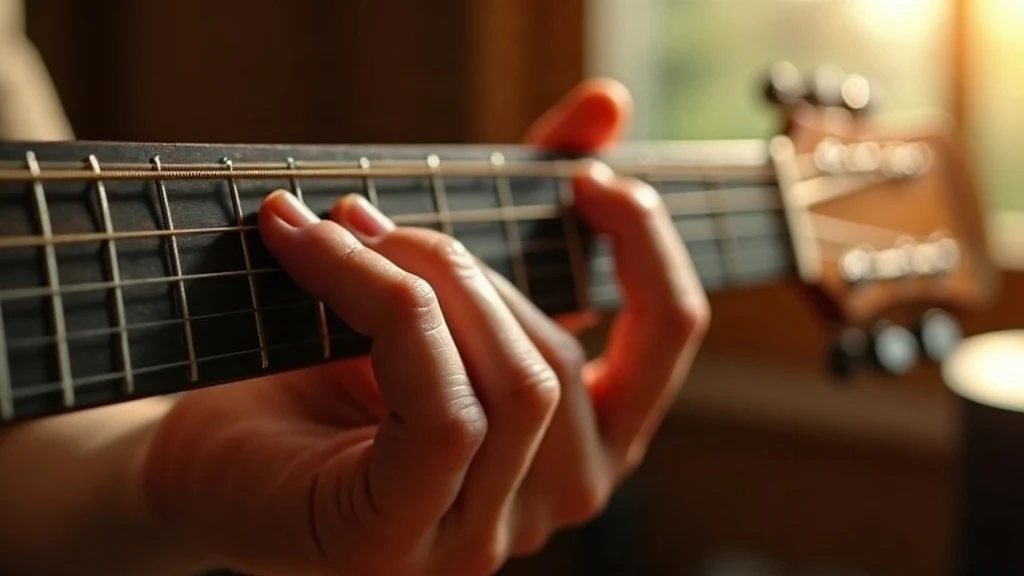
The foundation of bossa nova is the extended chord family: major 7th, minor 7th, and dominant 7th chords. These chords add color and tension that plain major and minor triads cannot. Here are the most common shapes you will need, all playable in open position.
| Chord | Shape | Notes |
|---|---|---|
| Cmaj7 | x32000 | C E G B |
| Dm7 | xx0211 | D F A C |
| G7 | 320001 | G B D F |
| Am6 | x02212 | A C E F# |
| D7 | xx0212 | D F# A C |
Practice these shapes slowly, making sure each note rings clearly. If you need help with chord fingerings, check our Aadd9 chord guide for a similar extended chord shape. You can also review the A minor key chords to see how minor 7th chords fit into a key.
The Classic ii-V-I Progression in Bossa Nova
The ii-V-I progression is the backbone of jazz and bossa nova. In the key of C, this is Dm7, G7, and Cmaj7. This progression creates a strong sense of resolution and is used in countless bossa nova songs. Play it as a loop: Dm7 for two beats, G7 for two beats, and Cmaj7 for four beats. The smooth voice leading between these chords is what gives bossa nova its elegant sound.
The Signature Bossa Nova Rhythm Pattern
The rhythm is the heart of bossa nova. The classic pattern uses the thumb to play the bass notes on the low strings, while the fingers strum or pluck the treble strings in a syncopated pattern. A common pattern is: thumb on beat 1, fingers on the "and" of beat 2, thumb on beat 3, and fingers on the "and" of beat 4. This creates a gentle, swinging feel. As João Gilberto, the father of bossa nova, once said, "I play the guitar as if it were a drum." Focus on keeping the bass steady and the chord stabs light.
The Am6/D7 Alternating Bass Concept
Another essential bossa nova technique is the alternating bass between two chords. A classic example is Am6 and D7. Play Am6 with the bass on the A string, then D7 with the bass on the D string. Alternate between them while keeping the same syncopated strumming pattern. This creates a driving, rhythmic foundation that is perfect for practicing your timing. It also appears in many beginner bossa nova songs.
One Easy Bossa Nova Song to Practice
The best way to apply these skills is to play a real song. "Corcovado" (Quiet Nights of Quiet Stars) by Antonio Carlos Jobim is a great choice for beginners. It uses the chords Cmaj7, Am7, Dm7, and G7, which you already know. The rhythm is a steady bossa nova pattern, and the melody is simple. Start by playing just the chords with the rhythm pattern, then add the melody later. Another easy option is "The Girl from Ipanema," which has been recorded over 500 times according to Wikipedia. Both songs will help you internalize the bossa nova feel.
Tips for Practicing Bossa Nova Guitar
- Start slow: Use a metronome at 60 BPM and gradually increase speed.
- Isolate the rhythm: Practice the thumb pattern alone before adding chords.
- Use a light touch: Bossa nova is gentle, so avoid heavy strumming.
- Listen to the masters: Study João Gilberto and Jobim recordings to absorb the feel.
- Record yourself: Playback helps you hear timing issues.
For more chord shapes and progressions, explore our Guitar Chords category and the All Chords in Key of G guide. These resources will expand your chord vocabulary beyond bossa nova.
Frequently Asked Questions
What is the easiest bossa nova song on guitar?
"Corcovado" is often the easiest because it uses only four chords and a simple melody. "The Girl from Ipanema" is also beginner-friendly if you stick to the basic chords.
Do I need to know jazz chords to play bossa nova?
Yes, bossa nova relies on 7th chords and extended chords. Learning maj7, m7, and 7 chords is essential.
How long does it take to learn bossa nova guitar?
With regular practice, you can play a simple bossa nova pattern in a few weeks. Mastering the rhythm takes a few months of consistent practice.
What guitar is best for bossa nova?
A nylon-string classical guitar is traditional, but any acoustic guitar works. The key is a warm tone and light string tension.
Updated 2026
Next story
Ab Key Chords: Complete Guide with Shapes and Progressions
Learn all Ab key chords: the seven diatonic chords in A-flat major, common progressions, barre shapes, and capo tricks. Updated 2026.